
Earth Moving Equipment
Concrete Mixer Training in Pietermaritzburg
Get certified to operate a concrete mixer the proper way — accredited training, real machine time, and a certificate that holds up when a site safety officer asks to see it. Abethu Skills has been training KZN operators for over a decade, and Pietermaritzburg learners are welcome on every intake.
Call 031 309 4309 or +27 74 459 5134 · info@abethutraining.co.za · Office hours Mon–Fri
What the Concrete Mixer Course Covers
A concrete mixer looks simple from the outside. A rotating drum, some aggregate, water, cement. Anyone can switch it on. What separates a trained operator from a liability is everything that happens before and after that — knowing your mix ratios, reading the load, inspecting the machine before you commit a batch, and recognising when something’s about to go wrong rather than after it already has.
The course is built around Unit Standard 12916, Batch and mix concrete by volume. You’ll learn to mix concrete to the strength a job actually needs, not just to the strength that looks about right. There’s a difference between a footing mix and a structural mix, and on a real site the person who confuses the two costs everyone money.
Pre-start inspection is a big part of the week, because most mixer failures trace back to something a careful operator would have caught. Drum condition, blade wear, hydraulics, the things that quietly degrade between jobs. You’ll go through safe operation, batching by volume, and the housekeeping that keeps a mixer running for years instead of months.
Assessment is split the way it should be — a short theory portion to confirm you understand the safety and operational side, and a much larger practical portion where you’re actually on the machine. Pass, and you walk away with a certificate of competence that names what you can do and that an employer recognises.
Who This Training Is For
Training for first-time operators
The first has never operated a mixer and needs a foot in the door. Construction is one of the few industries where a certificate plus a willingness to work still opens real opportunities, and a concrete mixer ticket is an honest place to start. No prior experience is needed — the course takes you from zero.
Refresher and renewal training
The second is already working on site, maybe informally, and needs the paperwork to match the skill. Plenty of capable operators have been doing the job for years without formal certification, and that gap shows up the moment they apply for a permanent position or a better-paying contract. This course closes it.
On-site training for employers
The third is an employer sending staff to be certified properly, often a few at a time. We accommodate groups, which matters when you’d rather not lose people to training one by one. On-site delivery for company groups can be arranged from the Durban centre.
The course content is the same backbone for all three. What changes is the pace and how much hands-on time you need before you’re signed off as competent. Not sure which route fits you? Call 074 459 5134 for a straight answer.
Why Pietermaritzburg Operators Train With Abethu Skills For Concrete Mixer Training
10+ Years
We've been doing this since 2012. Over a decade of operator training in KZN means a lot of people have come through these courses and gone on to actual jobs — not certificates that gather dust, but tickets that got them hired.
Experianced Instructors
The instructors have worked in industry. That sounds like a line every training provider uses, so here's what it means in practice: they know what a site supervisor checks for, what habits get an operator pulled off a machine, and what mistakes cost real money. That context comes through in how they teach, not just what's in the manual.
TETA Accredited
The training is structured around what South African construction legislation actually requires — the OHS Act, the Construction Regulations — rather than a stripped-down version designed to get learners through assessment as fast as possible. When the certificate gets scrutinised on a site, it stands up because it was earned against the real standard.
And we're local
Our pricing isn't carrying national overhead, our instructors know KZN conditions, and when you phone with a question you're talking to someone who understands the market you're trying to work in. Pietermaritzburg is an easy run from the Durban centre, and learners travel from across the province — Newcastle, Empangeni, Nongoma — without it being a problem.
Our Accreditations
CETA — Accreditation Number: 3P3812. Aligned to National Certificate: Construction: Plant Operations (Qualification ID: 65789, NQF Level 2). QCTO — Accreditation Number: 05-QCTOSDP010925142222. TETA — Aligned to TETA standards for plant and machinery training.
Where We Train and Who We Cover
Training runs from the Abethu centre in Durban, an easy trip for Pietermaritzburg learners and well within reach for most of KZN. We regularly train people from Pietermaritzburg, Empangeni, Newcastle, Nongoma and further afield, including learners from across South Africa and beyond.
For employers, on-site group training can be arranged so your team is certified without everyone leaving the workplace at once. If you’re a PMB-based company wanting a group done, phone us and we’ll work out the logistics.
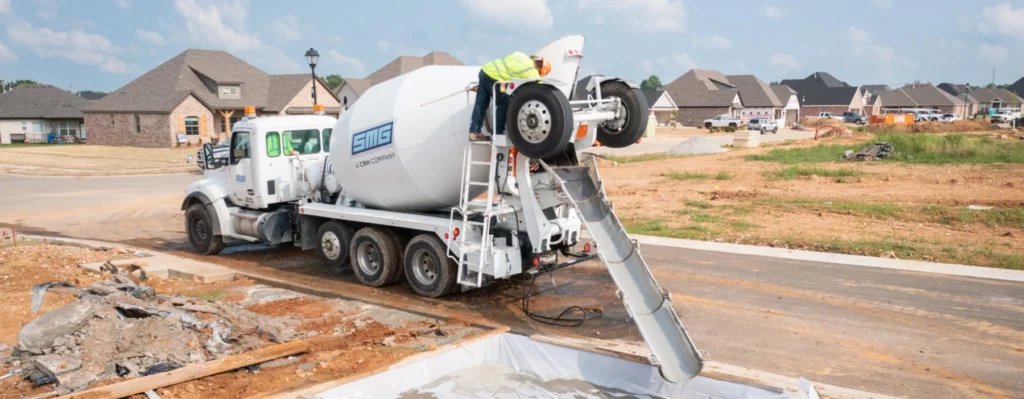
How the Course Runs, Day by Day
Day one is mostly classroom. The legal framework, machine familiarisation, the inspection routine, and how to read a mix by volume. You'll need a valid South African ID, and you'll need to be physically fit enough for practical outdoor work and able to follow written instructions. That's the entry bar.
From day two you're on the machine. The instructor works through the practical exercises progressively rather than throwing everything at you at once. By midweek most learners have a real feel for the batching and the controls, and if there's a specific thing you're struggling with, the instructor stays on it rather than moving the whole group along.
The final day is your assessment — theory first, then practical. If you've turned up and engaged through the week, this is the part where it all comes together rather than the part to dread.
What the Concrete Mixer Training Costs
The concrete mixer course is R5,000, and that’s the figure on the price list — no admin fees added to the invoice, no surprise materials charge partway through. The fee covers your training, the practical materials you use during the course, and your certificate on successful completion.
If you’ve certified before and your ticket has lapsed, you don’t repeat the full course. The renewal route is shorter and costs R1,500 — it confirms your skills are current, refreshes your machine knowledge, and updates you on anything that’s changed in the regulations. Concrete mixer certificates generally need renewing every two years, or after a long stretch off the machine.
Payment is discussed openly. If you need a flexible arrangement, phone us and we’ll work something out. Learners sometimes ask about SETA funding — availability changes and depends on your circumstances, so it’s worth raising directly when you call rather than assuming either way.
Book Your Place
If you want a concrete mixer certificate that means something to an employer, this is the straightforward way to get one. Accredited training, real machine time, no hidden costs, and a course you can be booked onto on the next intake.
Phone 031 309 4309 or +27 74 459 5134, send a WhatsApp, or email info@abethutraining.co.za. Tell us you want the concrete mixer course, ask about the next date, and we’ll hold your place with a deposit. No obligation in asking — call and find out where you stand.
Concrete Mixer Training Questions, Answered
Is the certificate accredited and recognised?
The training is built around the relevant unit standard and South African construction legislation, and successful learners receive a recognised certificate of competence accepted by employers across the country. Confirm the specific accreditation when you book so you know exactly what your certificate covers.
Do I need any experience to start?
None. The course is designed to take a complete beginner to certified within the week. You’ll need a valid South African ID, reasonable physical fitness for outdoor practical work, and the ability to follow written instructions.
How long does the course take?
t runs as a short, intensive course built around classroom theory followed by hands-on machine time, with assessment at the end. Phone us for the exact length of the current intake, as schedules can shift.
What's included in the price?
Your training, the practical materials used during the course, and your certificate on successful completion. There are no admin fees or surprise charges added later — what’s on the price list is what you pay.
Do you train Pietermaritzburg learners specifically?
Yes — PMB learners are on most intakes. Training runs from the Durban centre, which is an easy trip from Pietermaritzburg, and group on-site delivery can be arranged for PMB-based companies.
What if my certificate has expired?
You take the renewal route rather than the full course. It’s shorter, costs R1,500, reassesses your competence, and brings you up to date on regulatory changes. Bring your old certificate copy.
What makes Abethu different from other providers?
Over a decade training KZN operators, instructors who’ve actually worked in industry, training pitched at the real legislative standard rather than a shortcut, and local pricing without national overhead. The certificate is built to hold up under scrutiny on site.
Still Have Questions?
If you didn’t find what you were looking for, we’re here to help. Whether it’s about course requirements, training schedules